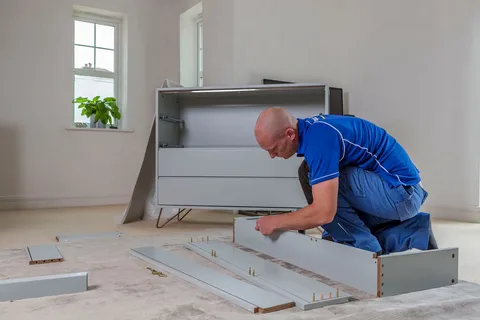

Moving day in Dubai rarely goes the way you picture it. Pack N Movers and other established local teams see the same pattern week after week: a tenant books a lift slot at the wrong time, a building security desk asks for a permit nobody arranged, and boxes sit in a hallway for an extra hour. Choosing the right packers and movers in Dubai is what keeps that scenario from happening to you. This guide walks through how the process actually works, what separates a dependable team from a risky one, and what to expect from the day you book to the day you unpack.
Why does this matter more here than in most cities? Dubai’s population passed <cite index=”16-1″>4.03 million in 2025, up from 3.40 million in 2020</cite>, and that growth keeps pulling new residents into towers, villas, and business parks across the emirate. Every one of those households and companies needs a move handled properly, on a fixed schedule, inside a building system with its own rules.
What packers and movers in Dubai actually do for you
A moving company in Dubai does more than carry boxes downstairs. The service usually covers packing, labelling, loading, transport, unloading, and unpacking, along with furniture dismantling for beds, wardrobes, and dining sets. Good packers and movers also arrange the building paperwork on your behalf, which is often the part first-time movers underestimate.
Why do so many residents hire help instead of moving themselves? A rental van and a free weekend sound cheap until you’re carrying a wardrobe down four flights because the service lift was booked out. Professional movers in Dubai bring trained crews, padded trolleys, and vehicles sized for the load, so fragile items and heavy furniture travel without the guesswork. This matters just as much for a two-bedroom apartment in JLT as it does for a villa in Arabian Ranches.
Local providers also understand which entry points and loading bays work for each building type. A crew that has moved fifty households out of the same Marina tower knows the loading bay opening times without asking. That local pattern recognition is hard to replace with a generic national operator who covers the whole country from one dispatch office.
Home moving versus office relocation: which service fits your move
Not every move needs the same crew size or timeline, and picking the wrong package usually means paying for capacity you don’t use. Home moves and office relocations differ in scheduling, insurance needs, and how much downtime you can tolerate.
Residential moves are typically scheduled around your lease dates and can happen any day of the week. A small apartment usually needs a smaller crew and a shorter window, while a full villa move takes a larger team and more careful furniture handling. Office relocations run on a different clock entirely.
Office relocation planning around business hours
Commercial moves usually happen after hours or over a weekend to avoid disrupting operations, and they involve additional steps beyond furniture. IT equipment, server racks, and filing systems need labelled handling so nothing gets misplaced between the old office and the new one. A specialist mover will walk the new space beforehand to confirm desk layouts and cable routing before moving day arrives.
Furniture handling and specialty items
Pianos, glass tabletops, artwork, and antique furniture call for extra padding, custom crating, or a two-person carry technique that general labour crews aren’t trained for. If your home includes any of these, ask the moving company directly whether their crew has handled that item type before, since not every general residential crew carries the right equipment for it.
The table below compares common service tiers so you can see which one matches your situation.
| Service Tier | Typical Crew Size | Turnaround | Best For | Furniture Handling |
| Studio/1-Bed Move | 2–3 movers | 3–5 hours | Small apartments, minimal furniture | Basic dismantle/reassemble |
| Family Villa Move | 4–6 movers | 6–10 hours | 3+ bedroom villas, gardens | Full dismantle, specialty padding |
| Office Relocation | 5–8 movers | Overnight/weekend | Small to mid-size businesses | IT equipment, filing systems |
| International Shipping | Varies by volume | Days to weeks | Overseas relocation | Container packing, customs docs |
The moving process step by step
Knowing what happens on moving day removes most of the anxiety around it. A structured process also gives you a way to spot a mover cutting corners before it costs you anything.
The sequence starts well before the truck arrives. A site survey, either in person or over video, lets the company estimate volume and flag any access issues at your building. From there, the crew brings packing materials suited to your inventory, wraps and boxes items by room, and labels everything so unpacking goes quickly at the other end.
On the day itself, the crew loads the truck in a sequence that protects fragile items from weight above them. Transport follows RTA-regulated routes, and <cite index=”5-1″>GPS-equipped vehicles help confirm belongings arrive both securely and on time</cite>. At the destination, the team unloads room by room, reassembles furniture, and removes packing debris if that service was included in your booking.
Building access is where timing tends to go wrong. Every high-rise in Dubai runs its own elevator booking system, and most require advance notice, sometimes 48 hours or more, plus a refundable deposit held by building management. A mover familiar with your specific tower already knows the booking portal, the deposit amount, and the loading bay hours, which removes one more thing from your plate.
How building rules and permits shape your move
Dubai’s high-density housing means your move is governed by more than just the moving company you pick. Building management, community rules, and municipal permits all play a role, and skipping any of them can delay your move by hours or trigger a fine.
Elevator booking windows are the most common friction point. Towers in areas like Dubai Marina, JLT, and Downtown typically require a booked service lift slot, and missing that window means waiting for the next available one, sometimes the following day. Community-managed villa areas add a separate layer: <cite index=”9-1″>Dubai Marina’s small internal roads, heavy pedestrian traffic, and strict building management rules mean movers have to plan parking permits and lift time frames well in advance</cite>.
There’s also a licensing side that protects you as the customer. <cite index=”2-1″>Every legitimate moving company operating in Dubai must hold a valid trade licence from the Department of Economy and Tourism, and asking for that licence number before any other conversation is a reasonable first step</cite>. This single question filters out a large share of unregistered operators before you’ve committed to anything.
An example makes this concrete. A resident relocating from a two-bedroom apartment in Jumeirah Village Circle to a villa in The Springs recently found that the villa community required a separate access permit for the moving truck, arranged through the community’s facilities office two days ahead. The apartment building, meanwhile, needed its own lift booking confirmed the same morning. Two different systems, two different lead times, both easy to miss without local guidance.
Cost factors to understand before you book
Every move is priced differently based on volume, distance, and the services you add on. Rather than quoting numbers that shift by season and provider, it helps to understand what actually drives the final figure so you can compare quotes accurately.
Inventory size is the biggest factor. A one-bedroom apartment with light furniture costs far less to move than a four-bedroom villa with a garden shed’s worth of extras. Distance matters too, since a cross-town move within Dubai differs from a move that crosses into a neighbouring emirate, or one that ships internationally by sea or air freight.
Add-on services shift the total in either direction. Packing materials, furniture disassembly, storage between move-out and move-in dates, and insurance coverage each add a line item. Timing plays a role as well, since demand spikes around common lease renewal periods can affect how competitive quotes are on any given date.
Ask every provider for a written, itemised quote rather than a single lump sum. That itemisation is what lets you compare two companies fairly, since one quote might bundle packing materials while another charges for them separately.
How to choose the right moving company for your situation
The gap between a smooth move and a stressful one usually comes down to the provider, not the neighbourhood or the season. A few checks separate reliable packers and movers from the rest.
Start with licensing and insurance. A valid Department of Economy and Tourism trade licence confirms the business is registered, and transit insurance confirms your belongings are covered if something goes wrong in transit. Reviews matter too, but look for detail rather than star ratings alone; a review that mentions a specific building or a specific furniture item handled well tells you more than a generic five stars.
Specialisation is the differentiator that’s easy to overlook. A contractor who works across an entire country handles a much wider range of jobs than one who focuses specifically on relocations within Dubai. Local companies like Pack N Movers that concentrate on Dubai moves tend to know the elevator booking systems, community permit processes, and building access rules for specific towers because they’ve done that exact move before, sometimes in that exact building. That familiarity carries trade-specific insurance and local permit experience that a general handyman service or an out-of-town operator often skips entirely.
A licensed contractor working across Dubai’s residential towers puts it plainly: crews that specialise in one city learn its buildings the way a regular visitor learns a neighbourhood, one booking system and one loading bay at a time, and that familiarity is what keeps a move on schedule.
Communication is the last filter. A company that answers questions clearly before booking, gives you a named point of contact, and confirms details in writing is far less likely to surprise you on moving day than one that only communicates through a call centre.
Conclusion
Relocating in Dubai comes with more moving parts than most people expect, from elevator bookings to trade licences to the right crew size for your inventory. Working through licensing, permits, and service scope before you commit puts you in control of the process rather than reacting to problems on the day. If you want a local team that understands Dubai’s building systems and community rules, reach out to Pack N Movers for a free assessment and a clear walkthrough of your options. There’s no pressure involved, just a conversation about what your specific move actually needs.
FAQs
Do I need a permit to move into or out of a building in Dubai?
Most towers require a lift booking and some communities require a separate access permit for the moving truck. Requirements vary by building, so confirm with your management office at least two days ahead.
How do I know if a moving company in Dubai is properly licensed?
Ask for their Department of Economy and Tourism trade licence number directly. A legitimate provider will share it without hesitation, since it’s a matter of public registration.
Will my furniture hold up during transport in Dubai’s climate?
Reputable movers use padded wrapping and climate-aware packing for wood and upholstered items, since heat and humidity can affect materials during transit and storage if left unprotected.
Do movers in Dubai Marina need special access arrangements?
Yes. Marina buildings often involve tight parking, heavy foot traffic, and strict lift scheduling, so an experienced local crew will arrange access windows well before moving day.
What’s the difference between a general moving company and one that specialises in Dubai relocations?
A Dubai-focused mover has handled specific buildings and communities before, so they already know local permit processes and lift systems rather than learning them on your move day.
Most towers require a lift booking and some communities require a separate access permit for the moving truck. Requirements vary by building, so confirm with your management office at least two days ahead.
Ask for their Department of Economy and Tourism trade licence number directly. A legitimate provider will share it without hesitation, since it’s a matter of public registration.
Reputable movers use padded wrapping and climate-aware packing for wood and upholstered items, since heat and humidity can affect materials during transit and storage if left unprotected.
Yes. Marina buildings often involve tight parking, heavy foot traffic, and strict lift scheduling, so an experienced local crew will arrange access windows well before moving day.
A Dubai-focused mover has handled specific buildings and communities before, so they already know local permit processes and lift systems rather than learning them on your move day.