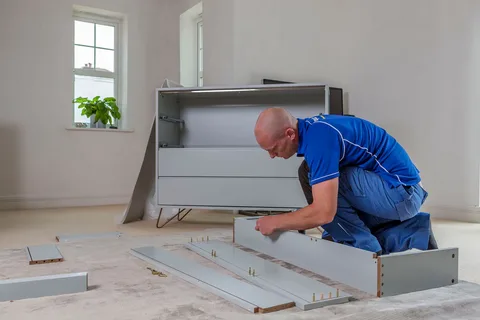
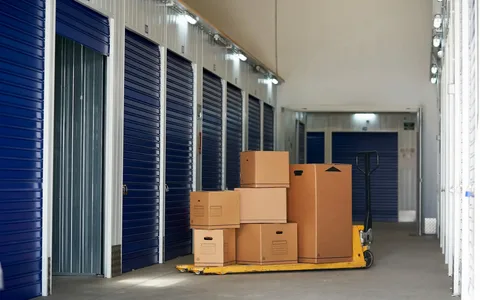
Finding space for furniture, personal belongings, or business stock can be difficult when space is limited. Moving home, renovating an apartment, travelling for several months, or managing growing inventory can create a need for extra room. Storage Services in Dubai give residents and businesses ways to keep items outside their main property until they need them again.
Dubai’s hot climate makes the choice of storage facility important. Heat, dust, moisture, and poor packing can damage some items during long periods in storage. Before booking, think about what you plan to store, how long you need the space, and whether you need access to your belongings during the rental period.
Pack n Movers is a company you can contact when comparing moving and storage arrangements. Ask about the storage options available, collection and delivery terms, and how the company handles different types of household goods. A clear plan can help you avoid paying for space you do not need.
Why residents and businesses use storage in Dubai
Space needs can change quickly. A family moving between apartments may need somewhere to keep furniture until the new home is ready. A tenant renovating a flat may need to move sofas, mattresses, and boxes out of the work area. Businesses may need space for documents, seasonal stock, spare equipment, or packaging materials.
Storage can help keep a property less crowded and protect items from damage caused by renovation work or frequent handling. It can also help online sellers manage stock when their office or shop has limited room.
The right option depends on the items and how often you need them. Do you need to collect a box every week, or will your furniture remain stored for several months? Regular access may make a personal storage unit more practical, while a managed storage service may suit people who prefer collection and return arrangements.
For residents, location matters too. A facility near Al Quoz, Al Qusais, Ras Al Khor, or Umm Ramool may be practical depending on your home and travel route. Check the actual facility address, access hours, parking, and collection terms before you decide.
Types of storage services and which one fits
Storage providers may offer private units, managed household storage, climate-controlled rooms, business storage, or warehouse space. These options serve different needs, so compare the service terms rather than choosing by price alone.
Self-storage gives you a unit or designated space for your belongings. Depending on the facility, you may visit during set hours to add or remove items. This can suit people who need regular access to boxes, furniture, sports equipment, or seasonal belongings.
Managed storage works differently. The provider collects your goods, stores them at its facility, and arranges their return when requested under the agreement. Ask whether collection, packing, inventory records, and delivery are included or charged separately.
Climate-controlled storage can help protect items that react to heat or humidity. Wooden furniture, electronics, artwork, musical instruments, and some documents may need more stable conditions than a basic storage area. Confirm the temperature and humidity controls instead of relying on the term alone.
Business storage can support stock, archived files, tools, and office furniture. Larger warehouse space may suit bulky goods, but businesses must check access rules, inventory handling, fire safety, and any conditions that apply to the goods being stored.
| Storage option | Best suited for | Main benefit | What to check |
| Small locker or unit | Boxes, luggage, seasonal items | Lower space requirement | Unit size and access hours |
| Standard self-storage | Furniture and household goods | Direct access at the facility | Security, ventilation, rental terms |
| Climate-controlled unit | Electronics, wood, artwork | More stable storage conditions | Temperature and humidity controls |
| Managed household storage | Furniture during a move or renovation | Collection and return can be arranged | Packing, inventory, delivery charges |
| Business warehouse storage | Stock, equipment, bulk goods | Space for larger quantities | Access, handling, fire safety requirements |
A useful example is a family leaving a two-bedroom apartment during a renovation. They may store sofas and cabinets in a managed service, but keep passports, work laptops, and daily essentials with them. This keeps important items available and reduces the space required for storage.
How the storage process works
A smooth storage booking begins with a clear list of items. Estimate the number of boxes, the size of large furniture, and any goods that need special care. Photos can help the provider assess the volume before giving a quote.
The process usually follows these steps:
List your belongings: Record furniture, appliances, boxes, and any fragile or high-value items. Separate items you may need soon from goods that can remain stored.
Choose the service: Decide between a unit you can access yourself and a managed service with collection and return.
Check the quote: Confirm the monthly rental, minimum term, deposit, VAT, packing fees, collection, delivery, and any access charges.
Prepare the items: Clean and dry belongings before packing. Use suitable boxes, protect furniture corners, and keep fragile items clearly marked.
Review the inventory: Ask for a written record of items collected or stored. Keep a copy of the agreement and any condition reports.
Plan collection or return: Confirm how much notice the provider needs and whether delivery charges change with the date, distance, or quantity.
Before you sign, ask what happens if you need the goods earlier than planned. A flexible return policy can matter if renovation dates change or a new home becomes ready ahead of schedule.
Storage costs in Dubai and local safety rules
Monthly prices vary by unit size, location, access, storage conditions, and rental duration. Published Dubai price lists show small lockers starting around AED 150 per month and a 100-square-foot room starting around AED 1,000 per month at one provider. These are advertised starting prices, not a city-wide fixed rate. Dubai storage unit prices and sizes
A small unit may suit luggage and a few boxes. A larger room can hold furniture from a flat, depending on how items are packed and stacked. Climate control, managed collection, packing materials, insurance, and delivery can add to the bill.
Request a written quotation based on your actual belongings. Ask whether the price includes VAT, access, collection, return delivery, and protection for stored goods. If you compare two providers, use the same storage period and item list for both quotes.
Storage safety matters in Dubai’s climate. Dubai Municipality’s technical guidance for consumer-product storage says goods should be kept away from direct sunlight, stacked in a stable manner, and arranged so emergency exits remain clear. It also advises separating materials that could damage one another when stored together. Dubai Municipality storage safety guidance
Commercial warehouse operators may face additional requirements. Dubai’s published warehouse security rules include measures for cameras, alarms, and access points for certain facilities. Businesses storing regulated or hazardous goods should check the rules that apply to their activity and goods before booking. Dubai warehouse security requirements
How to choose a storage provider near you
A convenient location is useful, but it should not be the only deciding factor. When searching for Storage Services near me in Dubai, compare the facility, service terms, safety measures, and full cost.
Check whether the provider can handle your items and whether the space suits their needs. Ask how the facility manages access, pest control, cleaning, fire safety, and security. If you plan to store wood, fabric, electronics, or paper for months, ask how the facility manages heat and humidity.
Review the contract for the rental period, payment dates, notice required to end the service, late fees, prohibited items, and responsibility for damage. Ask whether insurance is included or available separately, and read its exclusions before relying on it.
For managed storage, check whether the provider records each item and gives you an inventory copy. Confirm how much notice is needed to return your belongings, whether the delivery fee is fixed, and how the company handles fragile or bulky furniture.
Pack n Movers can be included in your shortlist when requesting storage quotations. Ask the company to confirm its available storage options, service areas, item-handling process, and charges in writing. Compare its answers with other providers using the same questions. This approach helps you assess the actual service rather than relying on broad claims.
A suitable provider should explain the terms in plain language and tell you what is not included. If the agreement leaves questions about access, damage, or return delivery, ask for clarification before paying.
Conclusion
Choosing a storage service starts with knowing how much space you need, which items require extra care, and how long you plan to store them. Compare unit sizes, monthly rent, collection charges, access rules, and safety measures before signing an agreement. If you are comparing Storage Services in Dubai, contact Pack n Movers to ask about available storage arrangements and request a quotation based on your belongings. Review the written terms carefully, including return delivery and damage cover. A clear agreement helps you plan with fewer surprises.
FAQs
How much do Storage Services in Dubai cost per month?
The monthly cost depends on unit size, location, rental period, and climate control. Published prices from one Dubai provider start at about AED 150 for a small locker and AED 1,000 for a 100-square-foot room. Request a current quote and check VAT and extra fees.
How can I find affordable Storage Services near me in Dubai?
Compare nearby facilities by total monthly cost, access hours, security, and the space provided. Ask whether collection, packing, insurance, and return delivery cost extra. A lower advertised price may cover fewer services, so compare written quotations using the same list of belongings and rental period.
Do Storage Services in Dubai need special permits or safety measures?
Commercial storage facilities may need approvals based on their activity, premises, and goods. Dubai guidance covers safe stacking, clear emergency exits, and keeping products away from direct sunlight. Businesses storing regulated goods should confirm the relevant requirements with the responsible Dubai authority before booking.
Is climate-controlled storage worth the extra cost in Dubai?
It may be useful for items affected by heat or humidity, such as wooden furniture, electronics, artwork, and some documents. Ask the provider about temperature and humidity controls, monitoring, and any limits. Standard storage may suit robust items that tolerate normal warehouse conditions.
What should I check before booking furniture storage in Dubai?
Confirm the unit size, rental period, access arrangements, security, inventory records, and return delivery charges. Ask how the provider protects furniture from dust and damage, and check whether insurance applies. Keep a copy of the agreement and an item list for your records.