

A successful relocation is built on a foundation of meticulous planning and execution. For residents and businesses in the UAE, where efficiency is paramount, a structured approach to packing is not just beneficial, it is essential. These professional packing tips for moving UAE residents can rely on will streamline your process, protect your belongings, and ensure a smooth transition to your new property.
Strategic Planning Before You Pack
An efficient move begins weeks before the first box is sealed. Proper preparation is the single most important factor in reducing stress and avoiding last-minute complications. By dedicating time to planning, you establish control over the entire relocation process, ensuring every step is managed effectively.
Establish a Clear Timeline
A structured timeline transforms an overwhelming task into a series of manageable actions. Begin at least four weeks before your moving date to allocate sufficient time for booking services, decluttering, and packing without rush. A well-defined schedule prevents the logistical challenges that often arise from hurried preparations.
Adopt a Room-by-Room Strategy
Focusing on one room at a time prevents feeling overwhelmed and ensures a systematic process. Start with rooms and items you use least, such as guest bedrooms or storage areas. This methodical approach allows you to pack non-essentials early, leaving everyday items accessible until the final week.
Declutter to Reduce Volume and Cost
Moving is an opportunity to assess your possessions. Sort items into four categories: keep, donate, sell, or dispose. Reducing the volume of goods you move directly translates into lower transportation costs and a more organised start in your new home. This step is critical for optimising the efficiency and expense of your relocation.
Create a Master Inventory List
A detailed inventory list is a professional tool for accountability. As you pack, log the contents of each box with a corresponding number. This document serves as your comprehensive moving checklist UAE movers and clients can use, providing peace of mind and simplifying the process of locating specific items upon arrival.
| Timeframe | Key Tasks | Professional Tip |
|---|---|---|
| 4 Weeks Out | Research and book a moving company. Start decluttering non-essential rooms (e.g., guest room, garage). | Obtain building NOCs and book elevators early, as slots fill up quickly in busy Dubai communities. |
| 3 Weeks Out | Begin packing non-essential items. Source all necessary packing materials. | Group items you plan to donate or sell and arrange for collection or listing. |
| 2 Weeks Out | Pack most of your belongings, working room by room. Update your inventory list as you go. | Notify utility providers (DEWA, Du/Etisalat) of your moving date to schedule disconnection/connection. |
| 1 Week Out | Pack remaining items, leaving only essentials. Prepare your ‘First Night’ box. Confirm all details with your movers. | Keep passports, visas, and important documents in a separate, clearly marked folder that you transport personally. |
Note: This timeline is a general guide. Adjust based on the size of your home and the complexity of your move. Starting earlier is always recommended in the fast-paced UAE environment.
Sourcing the Right Packing Materials

Moving from planning to execution requires the correct tools. The quality of your packing materials is a direct investment in the safety of your belongings. Using inadequate supplies is a common mistake that can lead to damage during transit. Professional-grade materials are designed to withstand the rigours of relocation.
In the UAE, environmental factors also play a role. The intense heat and humidity can affect sensitive items. For example, using UV-resistant stretch film on wooden furniture provides a crucial barrier against temperature fluctuations and moisture during loading and transport. This is a detail that demonstrates an understanding of local conditions.
When selecting boxes, opt for double-corrugated cardboard. These are structurally superior to single-wall boxes, providing the necessary strength to be stacked in a moving truck without crushing. This protects the contents and allows for efficient use of space. Using a mix of standard box sizes helps create stable tiers within the vehicle.
To ensure your packing process is efficient, gather all necessary supplies before you begin:
- Double-corrugated boxes in various sizes
- High-quality packing tape
- Bubble wrap and packing paper
- UV-resistant stretch film
- Permanent markers for labelling
- A utility knife for easy unpacking
Having these items on hand eliminates interruptions and allows you to maintain a steady, organised workflow from start to finish.
A Methodical Approach to Packing Items
With the right materials ready, the next step is to apply professional techniques. A systematic method for how to pack for a move ensures the safety of your items and the efficiency of the process. The core principle is to create solid, stable boxes that can be handled and transported securely.
Begin by placing a layer of crushed packing paper at the bottom of each box to create a cushion. When loading items, always place the heaviest objects at the bottom and lighter ones on top. This simple rule prevents delicate items from being crushed and makes the boxes more stable. For safety and manageability, pack heavy items like books or tools in smaller boxes. A large box filled with heavy items is difficult to lift and poses a risk to both the handler and the contents.
It is critical to fill all empty spaces within a box. Gaps allow items to shift during transit, which is a primary cause of breakage. Use packing paper, towels, or linens to fill voids and ensure the contents are snug. When you are finished, the box should not rattle or bulge. The top should close flat without strain.
For maximum structural integrity, use the “H-tape” method to seal your boxes:
- Tape along the main seam where the top flaps meet.
- Extend the tape a few inches down each side for reinforcement.
- Tape across both of the shorter side seams.
This technique creates a secure seal that reinforces the box’s shape and prevents it from accidentally opening during handling.
Effective Labelling and Inventory Management
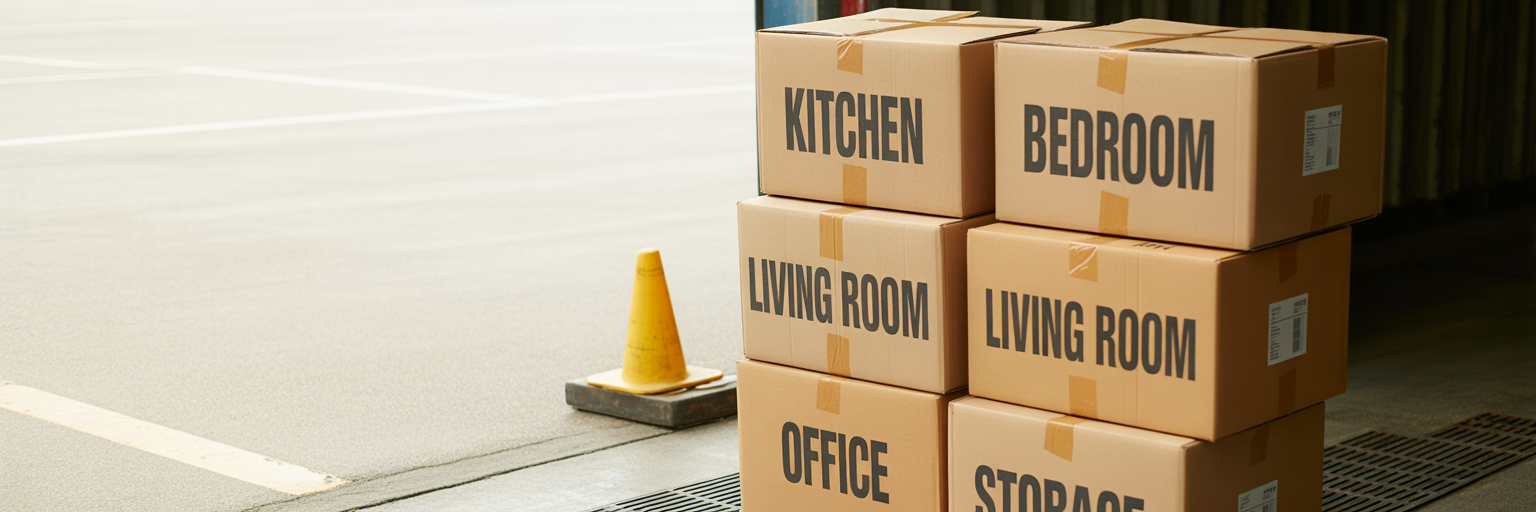
Once a box is packed and sealed, the final step in the packing phase is labelling. This crucial detail is often rushed, but effective labelling is what separates a chaotic unpacking experience from an organised one. The goal is to provide clear, at-a-glance information that saves significant time and effort at your new location.
A professional labelling system ensures every box is immediately identifiable. Each label should contain three key pieces of information: the destination room (e.g., “Master Bedroom,” “Kitchen”), a brief summary of the contents (e.g., “Glassware,” “Office Files”), and the corresponding inventory number from your master list. This system allows movers to place boxes in the correct rooms and helps you locate specific items without opening every box.
A critical professional tip is to label the sides of the boxes, not the top. When boxes are stacked in a room or on the moving truck, top labels become invisible. Side labels remain visible, allowing you to identify the contents of any box in a stack instantly. Use a thick, permanent marker for clarity.
This labelling method works in direct concert with the master inventory list you created during the planning phase. If you need to find a specific item, you can consult your list, identify the box number, and quickly locate it. This full-circle approach provides complete accountability and control over your belongings throughout the move.
Securing Fragile and Valuable Items
The safety of delicate and high-value belongings is a primary concern during any move. Proper technique is essential when packing fragile items for moving, as it requires more than just standard boxing. A meticulous, category-specific approach provides the necessary protection.
For glassware and dishes, wrap each item individually in packing paper. When packing glasses, insert crumpled paper inside them to provide internal support before wrapping the outside.
Electronics require special attention. If possible, use the original boxes and foam inserts, as they were designed for safe transport. If original packaging is unavailable, use sturdy, double-corrugated boxes and wrap the device in bubble wrap, ensuring all sides are protected. Fill any surrounding gaps with packing paper to prevent movement.
While professional movers are equipped to handle most items, certain valuables should always remain in your personal care. We strongly advise that you personally transport all critical documents, such as passports, visas, and property deeds, as well as jewellery, medication, and items of significant sentimental value. This is a non-negotiable security measure that ensures your most important possessions are never out of your sight.
Preparing Your ‘First Night’ Essentials Box

After a long day of moving, the last thing you want is to search through dozens of boxes for basic necessities. Preparing a ‘First Night’ essentials box is the key to a comfortable and stress-free transition into your new home. This single, well-organised box contains everything you and your family will need for the first 24 hours.
The contents should be tailored to your immediate needs. Think about the first things you will want upon arrival. A thoughtfully packed essentials box can make a significant difference in your comfort and convenience.
We recommend including the following items:
- Basic toiletries and a towel for each family member
- A change of clothes and pyjamas
- Essential medications
- Phone and laptop chargers
- Kettle, tea, coffee, and snacks
- A small cleaning kit with paper towels and surface spray
- Disposable plates and cutlery
Logistically, this box must be treated with special importance. It should be the last box loaded onto the moving truck and the first one unloaded. Even better, transport it in your own car to ensure it is immediately accessible. For those seeking a comprehensive solution, a professional moving house packing service Dubai can manage this entire process with expert efficiency, ensuring your essentials box is perfectly prepared and ready for you upon arrival.