
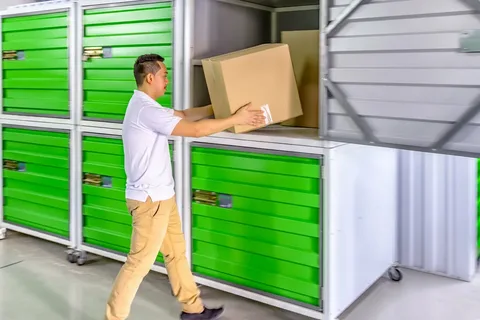
Finding enough space for your belongings can be difficult when you move home, renovate a property, or run a growing business. Furniture, household boxes, office equipment, and stock can quickly fill the space you have. Renting a separate storage unit gives you another place to keep these items without overcrowding your home or workplace.
Dubai residents and businesses use storage facilities for both short-term and long-term needs. Some people need space between moving dates, while others want to store seasonal items or extra business stock. Pack n Movers helps customers understand storage options when planning a move or arranging space for their belongings.
Choosing the right facility depends on what you plan to store, how often you need access, and how long you need the space.
Why People Choose Self Storage in Dubai
Living and working arrangements can change quickly. A family may move from an apartment in Dubai Marina to a larger home, while a business in Business Bay may need extra room for equipment or inventory.
In these situations, Self Storage in Dubai gives you a separate space for items you do not need every day. You can keep furniture, boxes, office supplies, and personal belongings outside your main property.
Common reasons people rent storage space include:
- Moving home: Keep furniture and boxes safe between moving dates.
- Home renovation: Remove household items before repair or painting work begins.
- Business storage: Store extra stock, tools, files, and office equipment.
- Temporary relocation: Keep belongings in one place while living elsewhere.
- Decluttering: Free up rooms, cupboards, and other areas at home.
Dubai’s hot weather makes storage conditions another important point. Heat and humidity can affect wooden furniture, electronics, paper records, and fabric items. A climate-controlled unit may suit belongings that need more stable conditions.
Do you plan to store furniture for several months? Check the temperature and humidity arrangements before signing a rental agreement.
Types of Self Storage Options Available
Storage needs differ from one customer to another. A few boxes require much less room than the contents of a full apartment. Understanding the available options helps you avoid paying for space you do not need.
Small Storage Units
Small units suit boxes, luggage, personal belongings, and seasonal household items. They can work well for students, apartment residents, and people who need temporary space.
Before renting, check the unit’s height and usable floor area. A unit that looks large enough on paper may not fit bulky boxes or stacked furniture.
Medium and Large Storage Units
Medium units can hold furniture and belongings from smaller homes. Large units may suit customers storing the contents of larger apartments or parts of a villa.
Measure sofas, beds, wardrobes, and appliances before choosing a unit. This helps you estimate the space required and plan how to arrange your belongings.
Climate-Controlled Storage
Climate-controlled units help maintain more stable temperature and humidity levels. They can suit wooden furniture, electronics, artwork, documents, and other items that may suffer in extreme conditions.
Ask the provider for its actual temperature and humidity range. A general statement such as air-conditioned storage does not always explain the conditions inside the unit.
Business and Commercial Storage
Businesses may need space for stock, equipment, tools, promotional materials, or archived documents. A suitable unit can help keep these items organised without taking up valuable office space.
Check whether the facility allows your intended goods and whether you can access them during your working hours.
How the Storage Process Works
A clear plan makes storage easier and helps prevent damage or confusion. Most customers can prepare their belongings by following a few simple steps.
- List your items: Write down what you plan to store, including large furniture, boxes, appliances, and business goods.
- Estimate the space: Measure bulky items and discuss the required unit size with the provider.
- Choose storage conditions: Decide whether standard or climate-controlled storage suits your belongings.
- Prepare your belongings: Clean furniture, dry items, and pack smaller goods in strong boxes.
- Arrange collection or transport: Confirm whether you will move the items yourself or need a pickup service.
- Check the agreement: Review access hours, rental duration, payment terms, security arrangements, and insurance conditions.
For example, a family moving from Jumeirah to Dubai Hills Estate may need temporary storage while waiting for the new home. They can pack furniture, label boxes by room, and keep important daily items separate. This makes the final move easier to organise.
What Affects Self Storage Costs in Dubai?
Storage prices depend on the space, facility, and services you choose. A small unit for a few boxes will usually cost less than a large space for household furniture or business stock.
The following points can affect your monthly rental:
- Unit size: Larger units usually have higher rental charges.
- Storage conditions: Climate control may increase the monthly cost.
- Rental period: Short-term and long-term agreements may have different rates.
- Facility location: Distance from your home or business can affect convenience and transport costs.
- Extra services: Packing, collection, delivery, and insurance may carry separate charges.
What should you check before accepting a price? Ask whether the quotation includes VAT, transport, insurance, deposits, and any access fees.
Do not compare providers using the monthly price alone. Check the actual unit size, storage conditions, and services included in the agreement. Ask for a written quotation so you can review the full cost before booking.
Choosing the Right Storage Provider in Dubai
A suitable storage provider should explain its facility, security arrangements, rental terms, and access process. You should know where your belongings will stay and how you can collect them.
When comparing providers, ask about CCTV coverage, access control, fire safety systems, pest control, and protection against moisture. Check whether each storage unit has an individual lock and whether staff can enter without your permission.
Dubai’s Administrative Resolution No. 13 of 2025 includes a section on security requirements for self-storage facilities. Customers can ask providers about the relevant facility requirements and applicable approvals before renting.
If you are searching for Self Storage near me in Dubai, check the actual facility address rather than relying only on a service-area claim. Areas such as Al Quoz, Dubai Investment Park, and Jebel Ali may be convenient for different parts of the city.
A moving and storage provider such as Pack n Movers can help customers consider storage alongside packing and relocation needs. Before booking, compare the storage arrangement with a standard storage facility and confirm which services are included.
You should ask for a written agreement that explains rental dates, payment terms, access hours, prohibited items, and collection arrangements. Keep a list of stored belongings and take photos before placing valuable items into storage.
Conclusion
Choosing suitable storage space can help keep your home or workplace organised during a move, renovation, or change in business needs. Start by listing your belongings, estimating the required unit size, and checking the storage conditions. Compare access, security, rental terms, and additional charges before making a decision. If you are planning a move or need space for household goods, contact Pack n Movers to discuss your storage and moving requirements. A clear plan can make storing and retrieving your belongings easier.
FAQs
1. How much does Self Storage in Dubai cost per month?
The monthly cost depends on unit size, climate control, location, and rental duration. Small units generally cost less than large spaces for household furniture or business stock. Ask for a written quotation that includes VAT and any additional charges.
2. How do I find Self Storage near me in Dubai?
Check storage facilities near your home or workplace and confirm their actual addresses. Compare travel distance, unit sizes, access hours, security, and rental terms. Ask whether collection and delivery services are available if you cannot transport your belongings yourself.
3. Is climate-controlled storage necessary in Dubai?
Climate control can help protect furniture, electronics, documents, and fabrics from changing temperature and humidity. It may not be needed for every item. Ask the facility about its temperature and humidity range before storing sensitive belongings for long periods.
4. Can I rent Self Storage in Dubai for one month?
Some providers have short-term rental options, but minimum rental periods differ. Check the agreement before booking and ask about deposits, early termination charges, and renewal terms. A written quotation can help you understand the full cost of a short stay.
5. What items are not allowed in Dubai self-storage units?
Facilities commonly restrict flammable materials, hazardous chemicals, illegal goods, and items that may create safety risks. Rules can vary by provider and facility. Ask for its prohibited-items list before packing so you do not face problems during collection or inspection.